
Welcome to the Hormone Hub.
Curated through the lens of both medical expertise and lived experience, the resources found below are intended to deepen understanding of hormonal health, transition, and longevity.
Through evidence-based education and informed conversation, this platform aims to bring greater clarity to hormonal change, helping women move toward a deeper understanding of the biological transitions shaping their health, mind, and sense of self over time.

A Fortnightly Publication
on Hormones & Mental Health
Written by Dr Fatima Khan and published fortnightly on Substack, this publication explores the emerging science of hormones and the brain through essays and clinical perspectives.
-
The publication spans spanning perimenopause, menopause, cognition, mood, sleep, metabolic health, and the broader psychological dimensions of midlife. It explores the intersection of medicine, neuroscience, and the cultural realities of modern womanhood.
At the centre of this philosophy is a simple but long-overlooked premise: that hormones profoundly shape emotional wellbeing, and that the mind cannot be meaningfully separated from the biology that influences it.
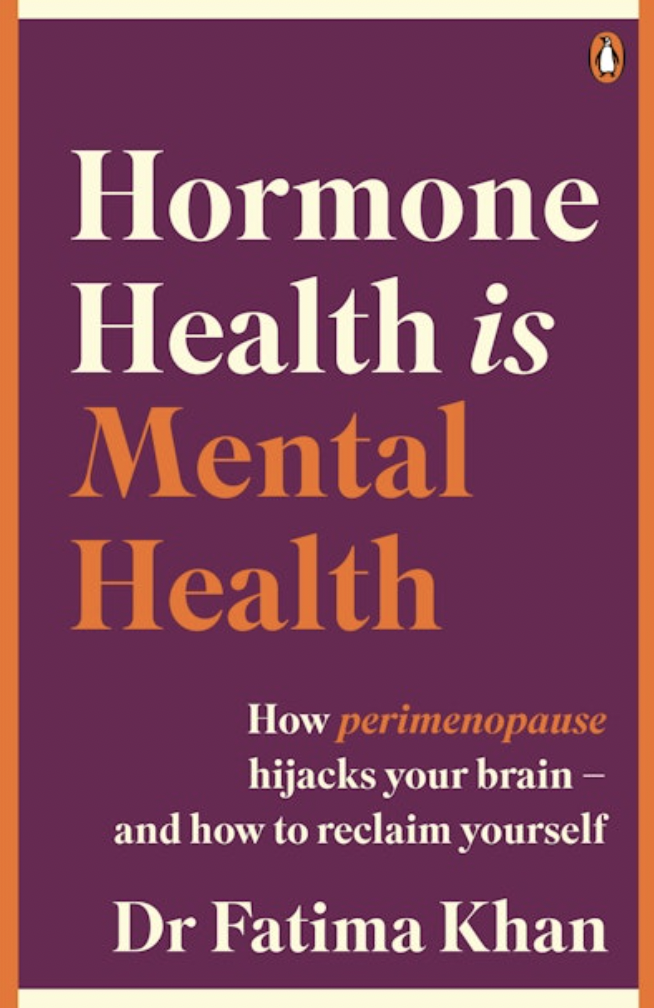
Upcoming Release
Hormone Health is Mental Health
How Perimenopause Hijacks Your Brain -
and How to Reclaim Yourself
A lifechanging guide to understanding perimenopause and midlife women’s mental health – and how understanding your hormones is the first step to feeling like yourself again.
Hormone Health is Mental Health covers everything you’ve never been told about your hormones, including:
Why mental health symptoms arrive years before the first hot flush
The hormonal shifts unmasking ADHD and neurodivergence in midlife women
The truth about HRT and breast cancer risk
The identity reckoning that no prescription can solve for you
Scripts for every conversation – with your doctor, your partner and your workplace.
-
This book will help you connect the dots, advocate for yourself and finally understand what’s happening inside your brain. It pulls back the curtain on the perfect storm surrounding perimenopause, and guides women to finally reclaim their bodies, their minds and themselves.
This book is for women in their thirties, forties and fifties who feel like they’re falling apart. Women who feel like their brains and bodies are betraying them, but nobody can tell them why. It’s for women in perimenopause who don’t even realise it – because they were told to look for hot flushes rather than anxiety, brain fog or rage.
Menopause expert Dr Fatima Khan reveals the explosive truth about perimenopause and the mental health crisis unfolding in women around the world. She exposes the medical blind spots that leave women misdiagnosed with depression and anxiety, unpacks the science of the hormone–brain connection, and delivers the three pillars of treatment and support that actually help.
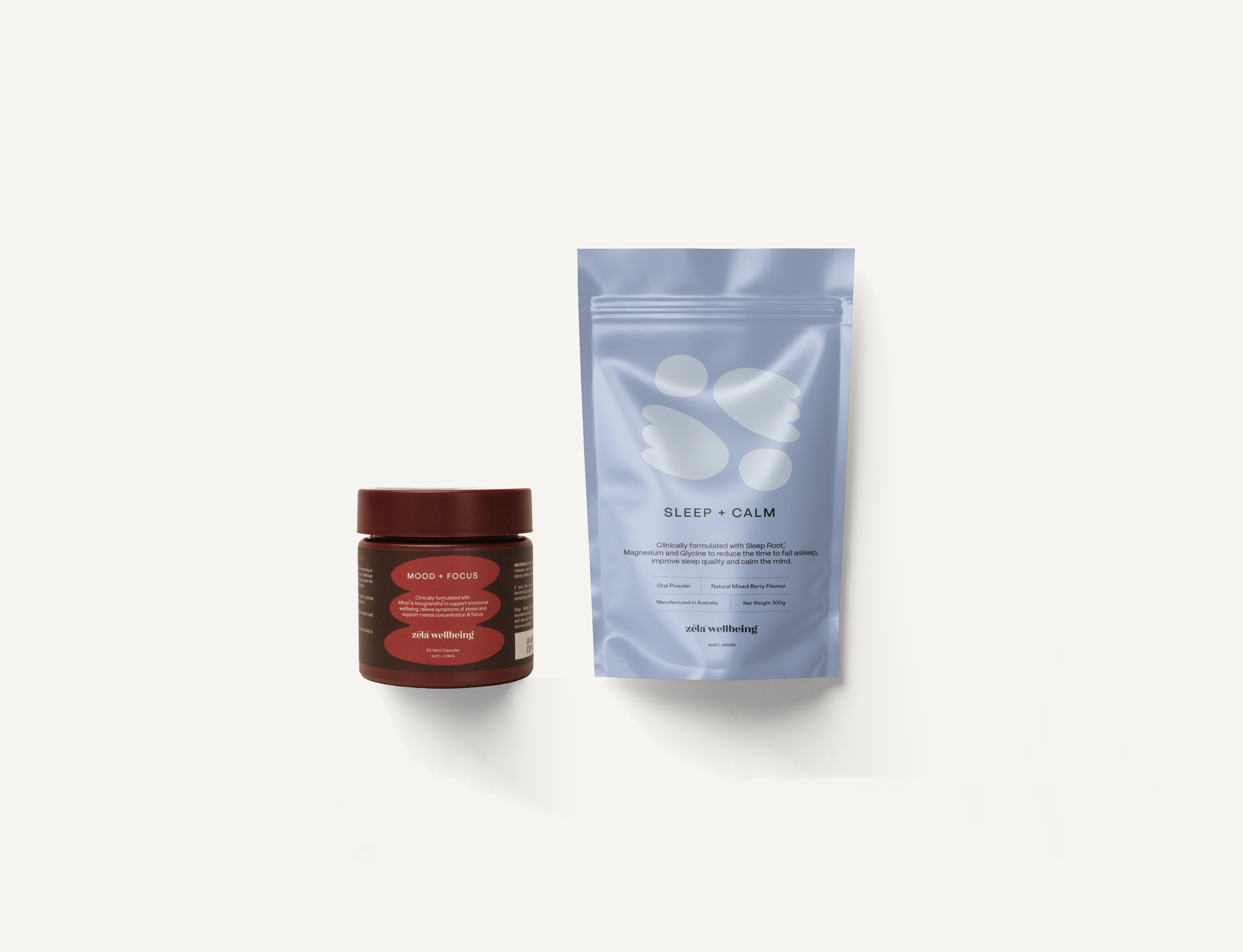
ZELA WELLBEING
TGA-Listed, Multi-Action Formulations to Support Women’s Hormone Wellbeing
Formulated by Dr Fatima Khan, Zela Wellbeing brings together clinically effective, therapeutically dosed, hormone-free and natural ingredients in a multi-action formula designed to support your mood, focus, sleep and energy - all in a simple AM + PM ritual.
-
These synergistic blends are designed to support emotional and hormonal wellbeing and reflect the highest standards of quality, grounded in scientific integrity.
Zela means ‘lacking nothing’ and embodies our belief that women are already whole and have what it takes to thrive. It’s about reconnecting with natural rhythms and feeling supported in everyday life.
Founded by Dr Fatima Khan, Zela was born from the lived experiences of women - her own, her sister’s, her mother’s, and the many women she has walked alongside as a doctor. It was created to honour everything women hold, carry, and continue to rise through.
As you move through hormonal shifts, Zela is here to remind you that change is not a loss of self, but an evolution of it.
Dr Fatima Khan provides medical and product development insights for Zela Wellbeing. The information presented does not constitute medical advice and should not be interpreted as an endorsement of individual therapeutic benefit.